
Best for first time wildlife viewing
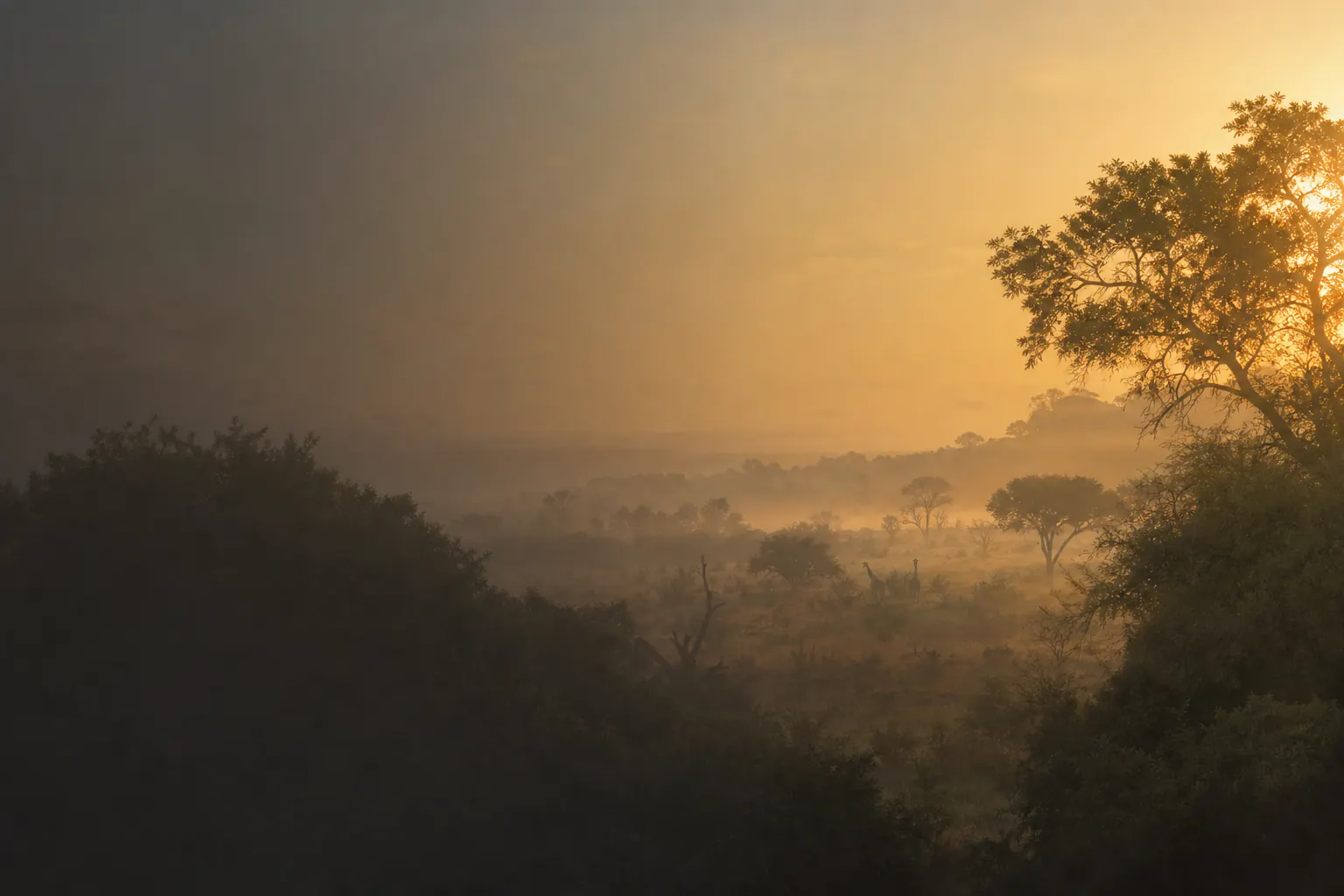
Late dry season is often favoured in Kruger style regions because visibility can improve and water becomes a stronger wildlife focus. Sightings still remain unpredictable.
When to visit
There is no single best safari month across South Africa. Choose timing by region first, then weigh rainfall, wildlife visibility, heat tolerance, birding or photography priorities, school holidays and any Cape Town or coastal chapter.
Safari seasons
In the Kruger lowveld, the cooler dry months often make wildlife easier to see because vegetation is thinner and animals may concentrate around reliable water. That does not mean every drive is busy or every animal appears on command.
The green season brings heat, summer rain, fresh vegetation, dramatic skies, newborn animals in some areas and excellent birding as migrant species arrive. Visibility can be harder in thicker bush, but the landscape can be beautiful.
Shoulder periods can be especially appealing for travellers who want a balance of less intense heat than high summer, more colour than late dry season and a quieter feel outside peak holiday weeks.
Planning table
Conditions vary annually, and South Africa's regions do not all behave the same way. Use this as a planning framework, then check current local forecasts and lodge advice.
| Month | Typical safari character | Good for | Watch outs |
|---|---|---|---|
| January | Green and hot in many safari areas, with summer rainfall in the north east. | Birding, lush photography and quieter travel after the holidays. | Heat, storms and thicker vegetation. |
| February | Still green and warm, with active insects and rich birdlife. | Photographers who like dramatic skies and saturated colour. | Humidity and variable road conditions after rain. |
| March | Late summer transition with greenery and slightly easing conditions in some areas. | Mixed wildlife and landscape interest. | Conditions vary by year and region. |
| April | Shoulder period with cooler mornings beginning in many safari regions. | Balanced weather, families outside peak dates. | Holiday demand can affect availability. |
| May | Drying landscapes and cooler evenings in the lowveld. | Comfortable drives and improving visibility. | Cold early mornings can surprise visitors. |
| June | Dry season pattern strengthens in Kruger and nearby reserves. | First time wildlife viewing and crisp morning light. | Popular areas can book up around holidays. |
| July | Cool dry season conditions, especially in early and late drives. | Wildlife visibility, families, classic safari atmosphere. | Peak demand and chilly starts. |
| August | Late dry season with thinning vegetation and concentrated water use. | Wildlife viewing and photography. | Dust, dry landscapes and high demand. |
| September | Dry and warming, often strong for visibility before widespread rains. | First time safari, photography, active waterholes. | Heat can build by late month. |
| October | Hotter transition month before or around first rains in some areas. | Dramatic seasonal change and fewer winter layers. | Heat and variable first rain timing. |
| November | Green season begins in many northern safari areas. | Birding, young animals in some regions, fresh landscapes. | Storms and thicker cover. |
| December | Summer holiday period with green bush and warm conditions. | Family travel when planned early, birding and longer holidays. | Peak availability pressure and heat. |
Best fit
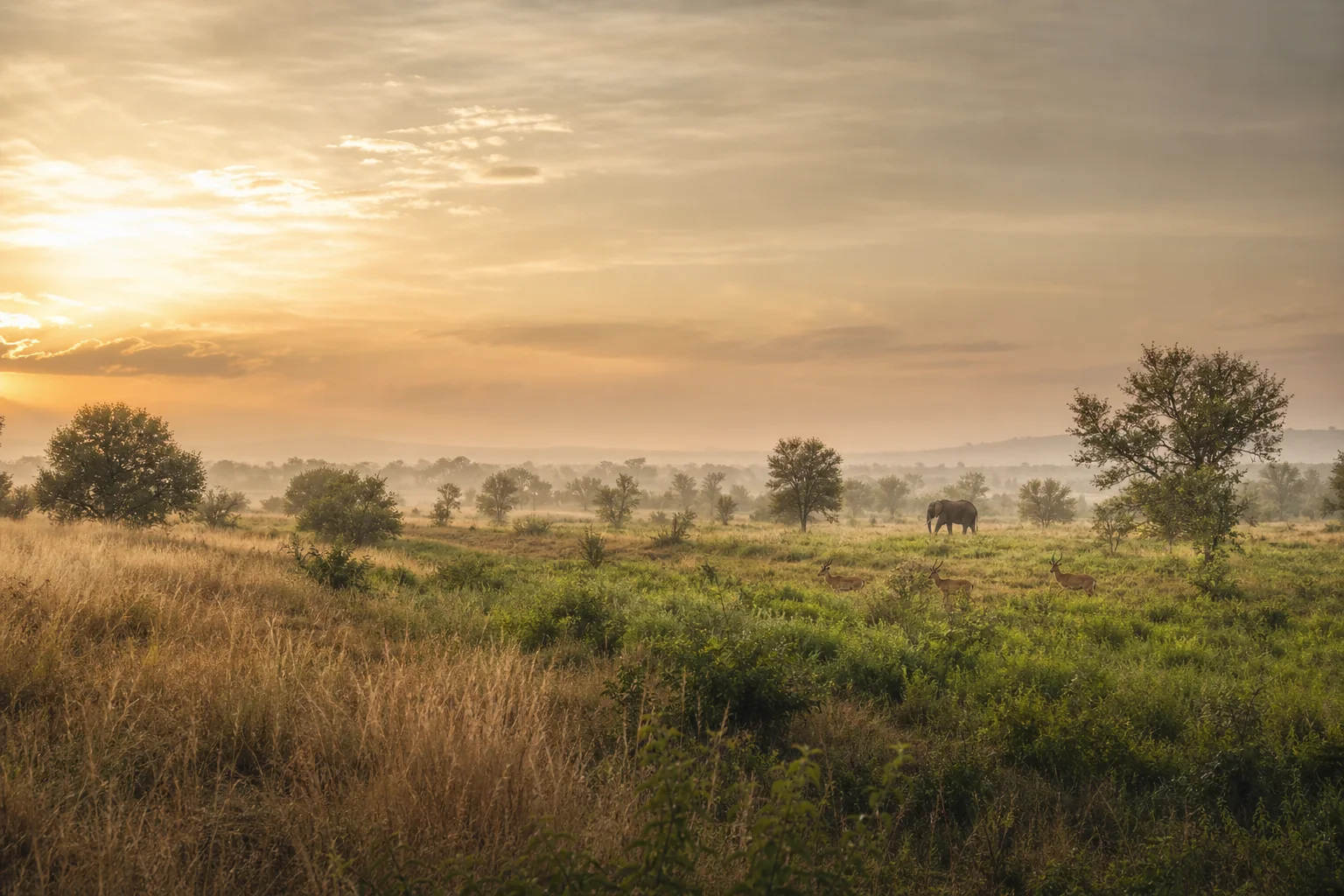
Late dry season is often favoured in Kruger style regions because visibility can improve and water becomes a stronger wildlife focus. Sightings still remain unpredictable.
Summer months can bring fresh grass, dramatic skies and rich colour, especially after rain. Photographers should be ready for changing light.
Green season is often rewarding as migrant birds and breeding activity add colour and movement to the bush.
Shoulder periods outside major holidays can feel calmer, but this depends on the reserve, lodge and school calendar.
Cape Town has a different rainfall pattern from Kruger. Spring and autumn style combinations can work well, but the best month depends on which part matters most.
School holidays may dictate dates. Choose regions and lodges by age policies, drive duration, heat, health context and downtime.
Free printable guide
The free checklist connects timing with region, transport, budget, booking questions and a basic seasonal packing shortlist.
Regional nuance
Kruger and Greater Kruger sit in the north east summer rainfall pattern. Eastern Cape safari areas can fit Cape and Garden Route itineraries differently, while KwaZulu Natal adds coastal humidity, wetlands and its own seasonal character.
This is why there is no single perfect safari month for every traveller. A birder, honeymoon couple, family with young children, photographer and first time Big Five hopeful may all make different timing choices for good reasons.
Official resources
Fees, gate hours, health guidance, notices and availability can change. Use these official resources for the latest operational information.
Next steps