
At sightings
- Keep distance and leave animals a clear exit.
- Stay quiet at sensitive sightings and avoid crowding.
- Never feed, call, chase or spotlight wildlife without authorised guidance.
Wildlife hub
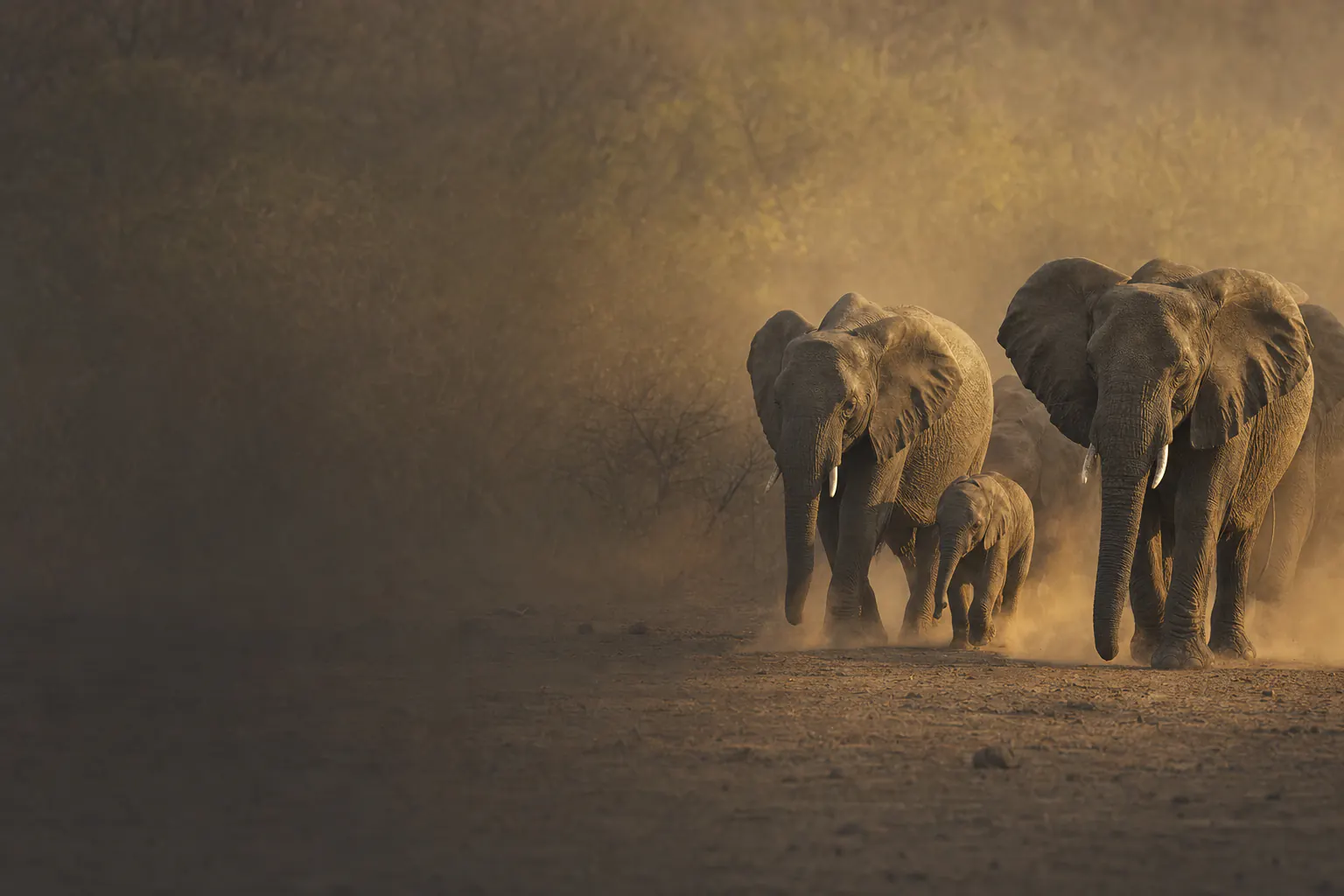
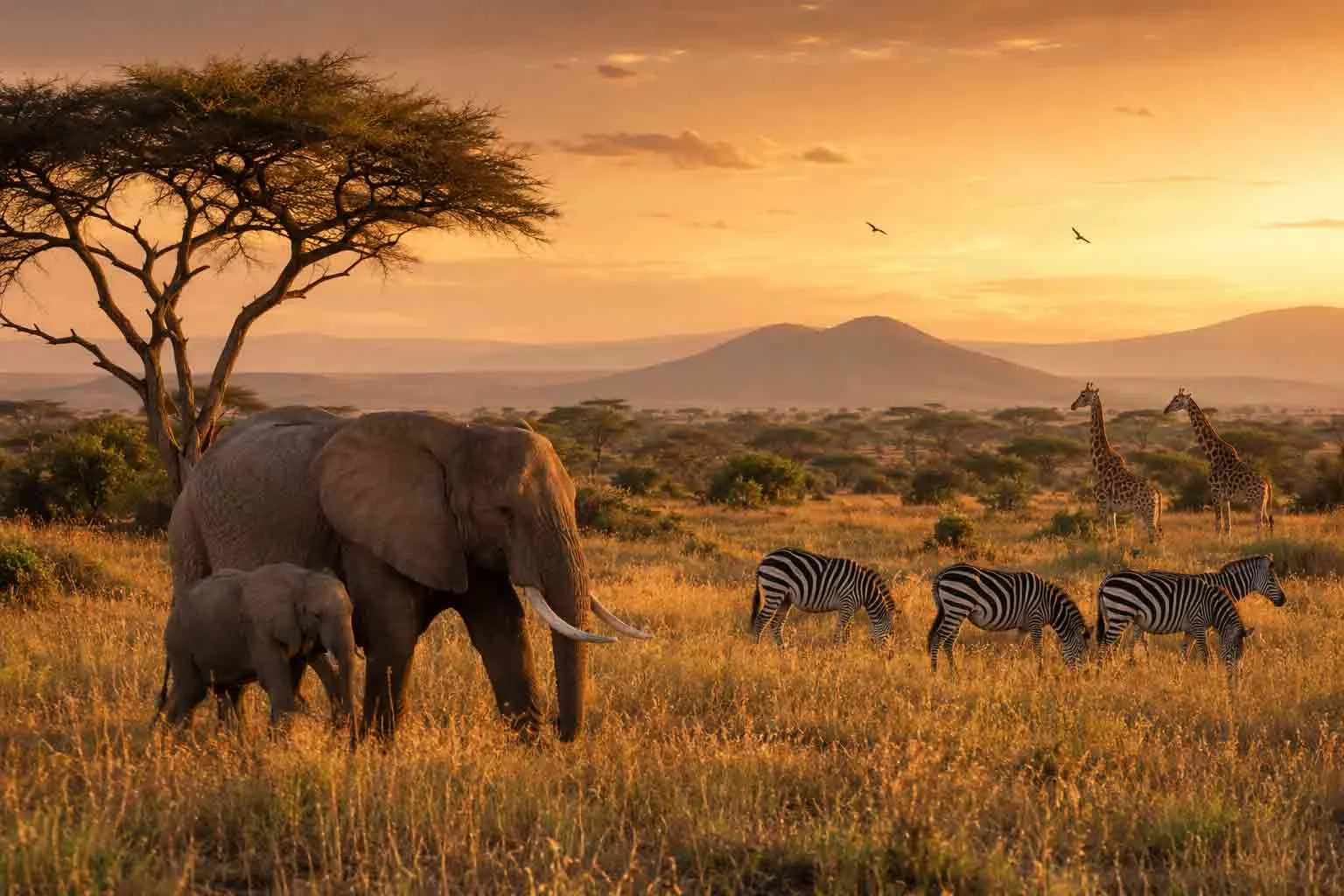
South Africa's safari wildlife is richer than a checklist. Lions, leopards, elephants, rhinos and buffalo matter, but so do impala alarm calls, hornbill family groups, crocodile banks, hyena tracks, roller perches and the patience to let wild behaviour unfold.
Wildlife ethic
SANParks describes Kruger as a premier game viewing destination with about 148 mammal species, but the best safari thinking starts with humility. Animals move according to water, food, weather, territory, safety and chance.
This cluster gives practical field cues without pretending to guarantee encounters. It avoids fake population claims, live rhino detail, invented operators, ratings, prices or availability.
Use each species guide to ask better questions of guides and operators, to slow down at ordinary sightings, and to connect animal behaviour with region, season and responsible travel choices.
Featured pathways
A premium safari day is built from relationships. Use these pathways to connect animals, habitat and visitor behaviour before choosing a route.
Follow lion, leopard, cheetah, wild dog, hyena, impala, zebra and buffalo through tracks, alarm calls and feeding pressure.
Learn how to identify white and black rhinos without sharing exact locations, recent sightings or sensitive movement detail.
Read hippo, crocodile, elephant, buffalo and bird activity through river access, basking banks and safe distance.
Habitat discovery
Habitats make the species guides easier to use in the field.
Classic safari species
Large tawny cats, a heavy head on mature males, black tail tufts and relaxed resting groups in shade.
A rosette patterned cat with a long tail, powerful shoulders and a habit of dissolving into shade and riverine cover.
Huge size, broad ears, a flexible trunk, tusks where present and steady feeding that can reshape trees and water edges.
A conservation sensitive guide with no live location detail.
A conservation sensitive guide with no live location detail.
Heavy dark bovines with sweeping horns, a solid boss on mature bulls and a watchful, grounded presence.
Predator ecology
Cheetahs scan from open ground, termite mounds or low rises, then use short explosive chases when conditions suit them.
Wild dogs are highly social endurance hunters, often greeting intensely before moving as a coordinated pack.
Spotted hyenas are intelligent predators and scavengers with complex clan hierarchies and strong nocturnal activity.
Everyday fieldcraft
Extreme height, patterned coat blocks, long neck, ossicones and a slow, elegant browsing posture.
Bold black and white striping, upright mane, rounded body and constant social contact in grazing groups.
A sturdy pig with facial warts, tusks, a high tail when running and a habit of kneeling while grazing.
Antelope and alerts
These animals are often common enough to study properly, which makes them valuable for understanding predators, habitat and alarm behaviour.
Behaviour rich sightings
Vervets forage, groom, play, alarm call and learn quickly where careless humans leave food.
Baboons forage, groom, travel and watch with strong social awareness, often using rocks, trees and roadsides.
Rollers scan from exposed perches, drop to the ground for prey and flash color in flight.
Ground hornbills move slowly in family groups, searching for prey and maintaining strong social bonds.
Safari conduct
Plan the trip
Official resources
Fees, gate hours, health guidance, notices and availability can change. Use these official resources for the latest operational information.
Next steps