First time guided safari guests
You want interpretation, meals and daily structure.
Private reserves
Private game reserves are not one uniform safari product. Ownership, conservation partnerships, lodge access, road rules, guiding, inclusions, child policies and reserve ecology differ significantly.
Destination answer
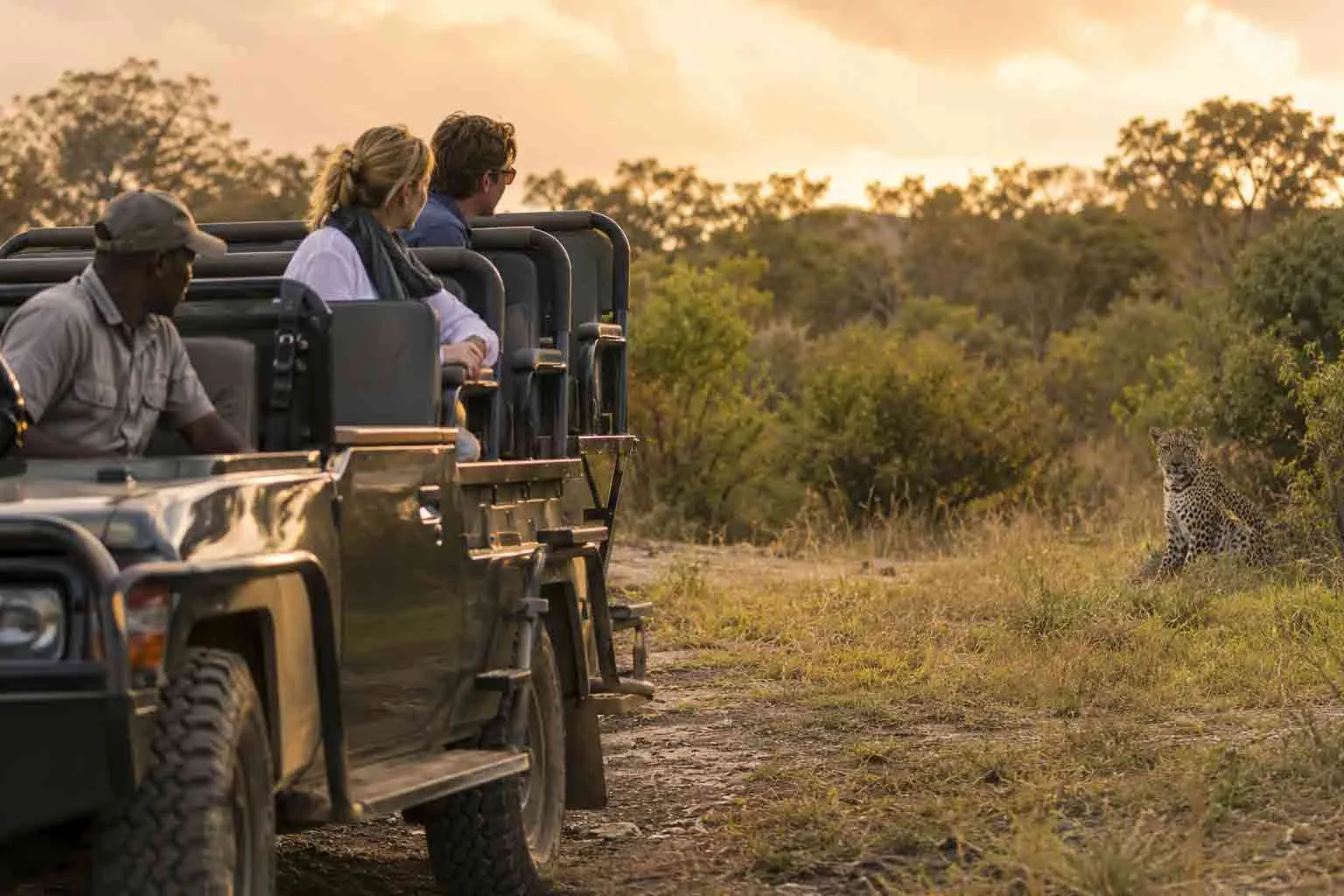
A private reserve safari usually means staying at a lodge with scheduled guided drives, meals and hospitality arranged around the wildlife rhythm. This can be deeply convenient, but it also means the written quote matters.
Some private reserves are connected to Greater Kruger landscapes, others are in Madikwe or the Eastern Cape, and not all allow the same traversing or off road policies. Avoid assuming one reserve's rules apply everywhere.
Decision fit
You want interpretation, meals and daily structure.
You want privacy, service and fewer logistics.
You want lodge support but must compare child policies carefully.
Choose a public park when you want self drive freedom and more separate cost control.
Choose a mixed trip when you want public park scale followed by private guiding.
On safari
Compare the actual rhythm of the destination rather than assuming every reserve or park behaves like Kruger.
Confirm vehicle type and guest numbers.
Some reserves allow controlled off road movement, others do not.
Drinks, premium items, transfers and levies may still be separate.
Children may need private vehicles or age specific activities.
Good positioning should not harass wildlife.
Ask how levies, land use and community partnerships are managed.
Practical planning
Operational details can change, so use this table for planning logic and official resources for current values.
| Question | Planning guidance | What to verify |
|---|---|---|
| What may be included | Accommodation, meals and scheduled drives are common but not universal. | Written quote |
| What may be excluded | Transfers, levies, drinks, tips, premium activities and private vehicles. | Exclusions list |
| How reserves differ | Ecology, fencing, access, road policy, lodge style and guest numbers vary. | Reserve and lodge rules |
| How to compare with public parks | Private reserves reduce planning chores, while public parks offer independence. | Traveller style and budget |
Before booking
Use these checks before paying a deposit or building flights around a safari region.
Confirm gate hours, pickup points, road access, airstrip transfers and how much real safari time remains on arrival day.
Ask exactly which meals, drinks, drives, park fees, conservation levies, laundry, transfers and optional activities are included.
Check child ages, room layout, private vehicle rules, pool safety, meal flexibility and how long children are expected to sit quietly.
Review current travel health advice, malaria context, mosquito prevention, insurance and what to do if illness affects the itinerary.
Avoid operators that promise sightings, pressure animals, share sensitive rhino details or treat conservation rules as optional.
Read deposit dates, balance deadlines, refund conditions, weather disruption terms and what happens if flights or roads change.
Internal links
These related guides keep the destination decision connected to route, cost, health and safari style.
Official resources
Fees, gate hours, health guidance, notices and availability can change. Use these official resources for the latest operational information.
Next steps