
Good fit
Travellers who are comfortable planning details and separating costs.
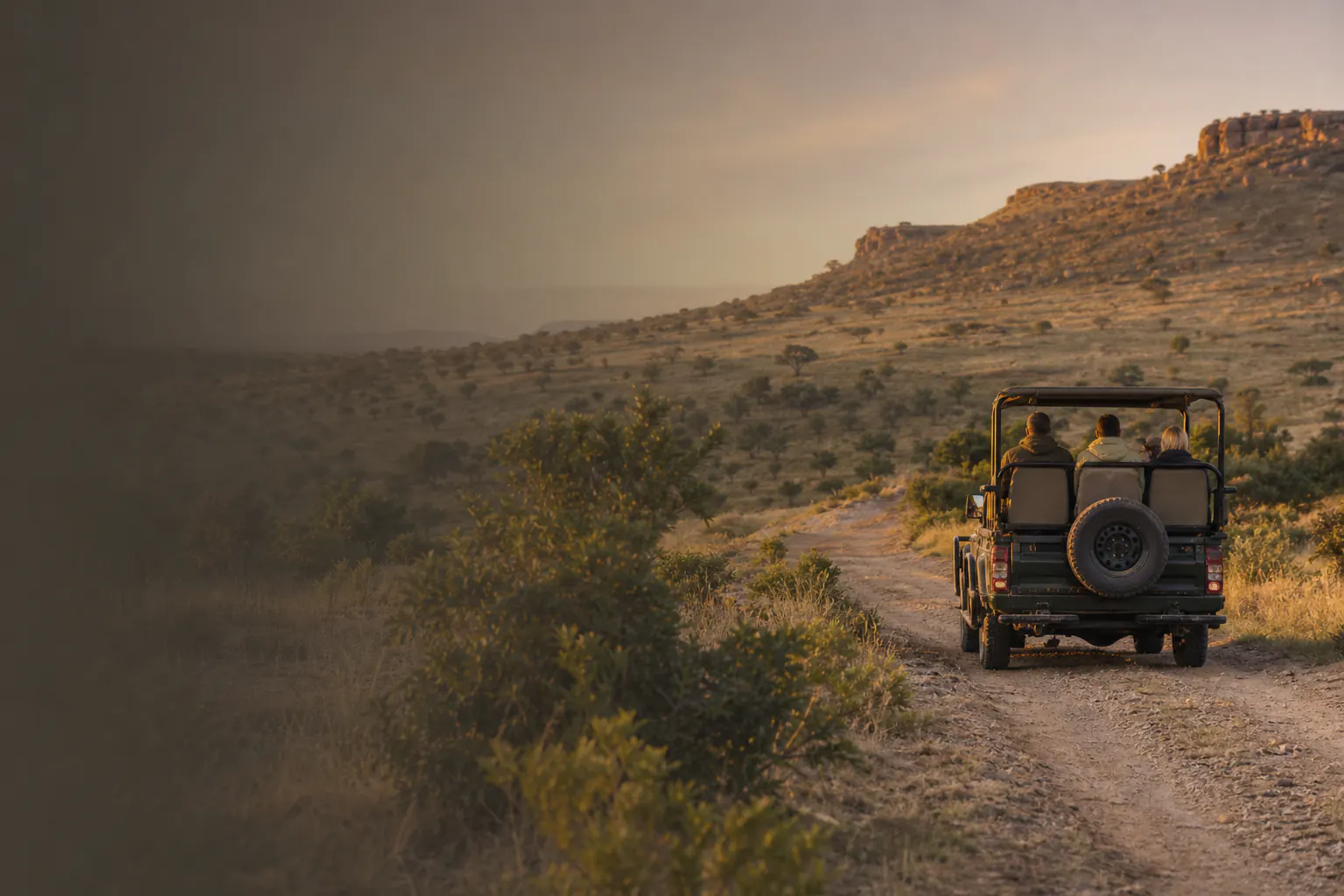
Safari itinerary
A value conscious safari works best when you save money on structure, not on safety, time or realistic expectations. Public parks, self catering, self drive and selected guided activities can create excellent trips when the route is simple.
Direct recommendation
A value conscious safari works best when you save money on structure, not on safety, time or realistic expectations. Public parks, self catering, self drive and selected guided activities can create excellent trips when the route is simple.
Use this page as an editorial planning framework. It does not show live prices, current availability, exact flight schedules or confirmed lodge inclusions because those details change and must be verified with the relevant operator or official authority.
A good South Africa itinerary protects safari time from travel fatigue. That usually means fewer hotel changes, clear arrival assumptions and a realistic decision about whether the safari is self drive, guided or lodge led.
Fit
Travellers who are comfortable planning details and separating costs.
Visitors comparing Kruger, Pilanesberg and Addo without luxury lodge pricing.
You expect ultra low budgets that ignore fees, fuel, insurance or food.
You would save money by creating unsafe drives or too many moves.
Trip shape
The sequence below is a planning structure, not a packaged tour.
Kruger rest camps, Pilanesberg self drive base, Addo public park or a short guided group structure.
Keep the route focused and avoid expensive transfer complexity.
Three, five and seven day structures can all work when one region is chosen.
Longer budget routes should add rest days rather than constant new bases.
Value structure
A cost controlled route works when savings do not remove safety or safari time.
Public parks and rest camps can create excellent value when the route is simple and accommodation is booked early.
Self catering can control meal costs, but it needs time for shopping, storage, camp rules and realistic arrival hours.
Do not compromise on rested driving, basic insurance, park location, water, food or enough nights to make the safari worthwhile.
Save through fewer bases, public park stays, selective guided drives and shoulder dates rather than unsafe road plans.
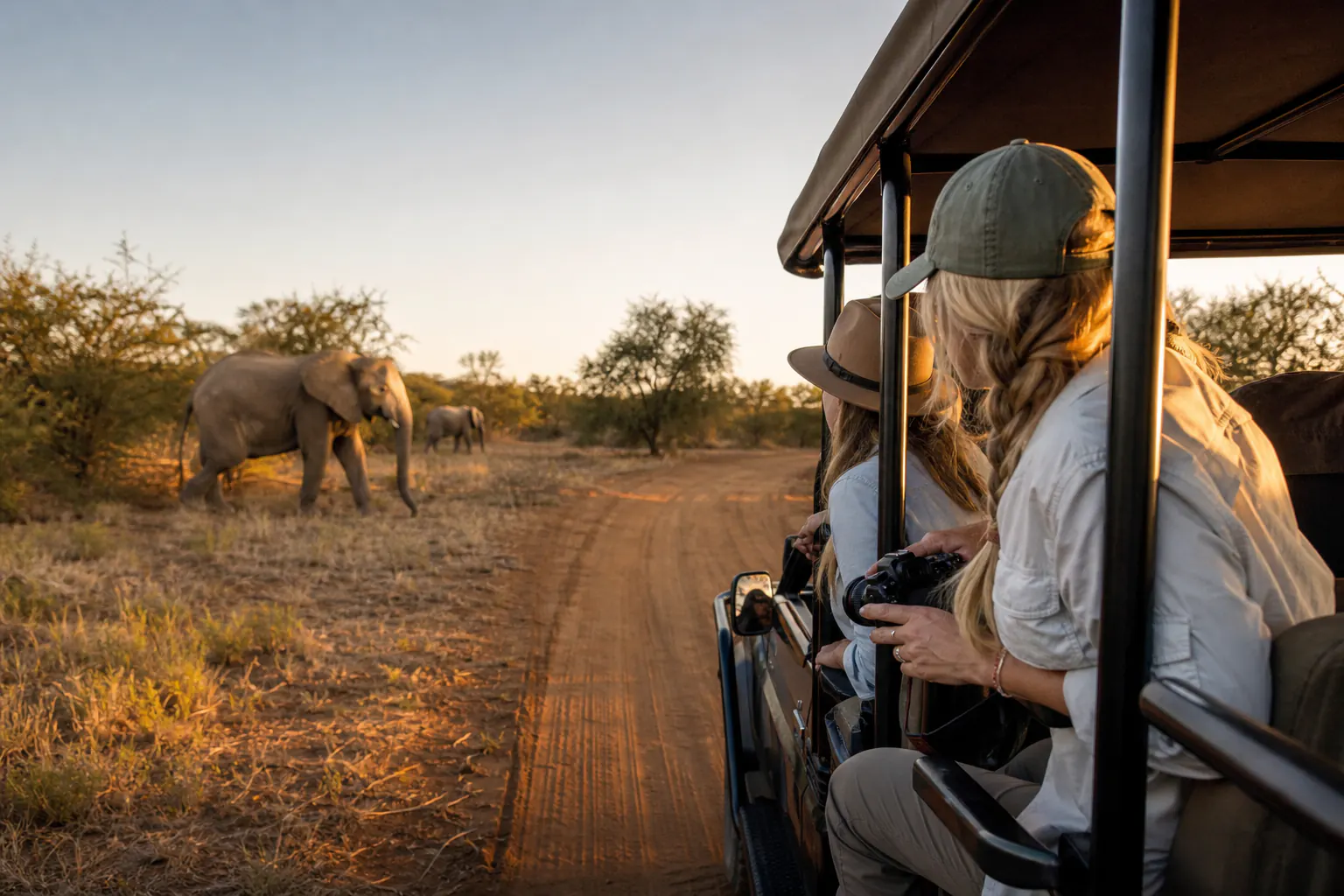
Movement
Self drive can control costs when the driver is confident and rested.
Car rental, fuel, tolls, parking and insurance must be budgeted.
Guided activities can be chosen selectively rather than every day.
Where to stay
Rest camps, self catering units and simple guesthouses can be strong choices.
Book early for popular public park periods.
Do not compromise on location so much that safari time disappears.
Booking order
Secure the safari nights, park accommodation or private lodge space, then build flights, transfers and city nights around that anchor.
Cape Town activities, casual meals, optional guided drives and rest time can often remain flexible until the core route is stable.
Conservation fees, meals, fuel, tolls, car hire excess, optional drives and peak demand shape the real budget.
The cheapest route is not always the best value if it removes wildlife time.
Do not invent total trip prices.
Do not ignore cancellation terms or vehicle insurance.
Alternatives
Use these links when the route feels rushed, medically unsuitable or mismatched with your travel style.
Official resources
Fees, gate hours, health guidance, notices and availability can change. Use these official resources for the latest operational information.
Next steps