
Good fit
Families, pregnant travellers and people with medical concerns who need professional health guidance.

Safari itinerary
A malaria conscious safari can reduce exposure concerns by considering regions outside recognised risk areas, but no itinerary should be described as universally safe. Use this page to compare route structure, then consult a qualified travel health professional before booking.
Direct recommendation
A malaria conscious safari can reduce exposure concerns by considering regions outside recognised risk areas, but no itinerary should be described as universally safe. Use this page to compare route structure, then consult a qualified travel health professional before booking.
Use this page as an editorial planning framework. It does not show live prices, current availability, exact flight schedules or confirmed lodge inclusions because those details change and must be verified with the relevant operator or official authority.
A good South Africa itinerary protects safari time from travel fatigue. That usually means fewer hotel changes, clear arrival assumptions and a realistic decision about whether the safari is self drive, guided or lodge led.
Fit
Families, pregnant travellers and people with medical concerns who need professional health guidance.
Visitors comparing Madikwe, Pilanesberg, Addo and Eastern Cape safaris.
You want this page to prescribe medication or replace clinical advice.
You assume malaria conscious means risk free travel overall.
Trip shape
The sequence below is a planning structure, not a packaged tour.
Johannesburg to Madikwe or Pilanesberg, Cape Town and Garden Route to Addo, or Eastern Cape private reserves.
Compare the route with Kruger only after current health advice is understood.
Three to five safari nights work well when the route is simple.
Ten or fourteen day versions can add Cape Town, Garden Route or coast.
Health planning
Health led planning needs careful wording and current professional advice.
This route can support a health conversation, but it cannot provide a medical guarantee or replace clinician advice.
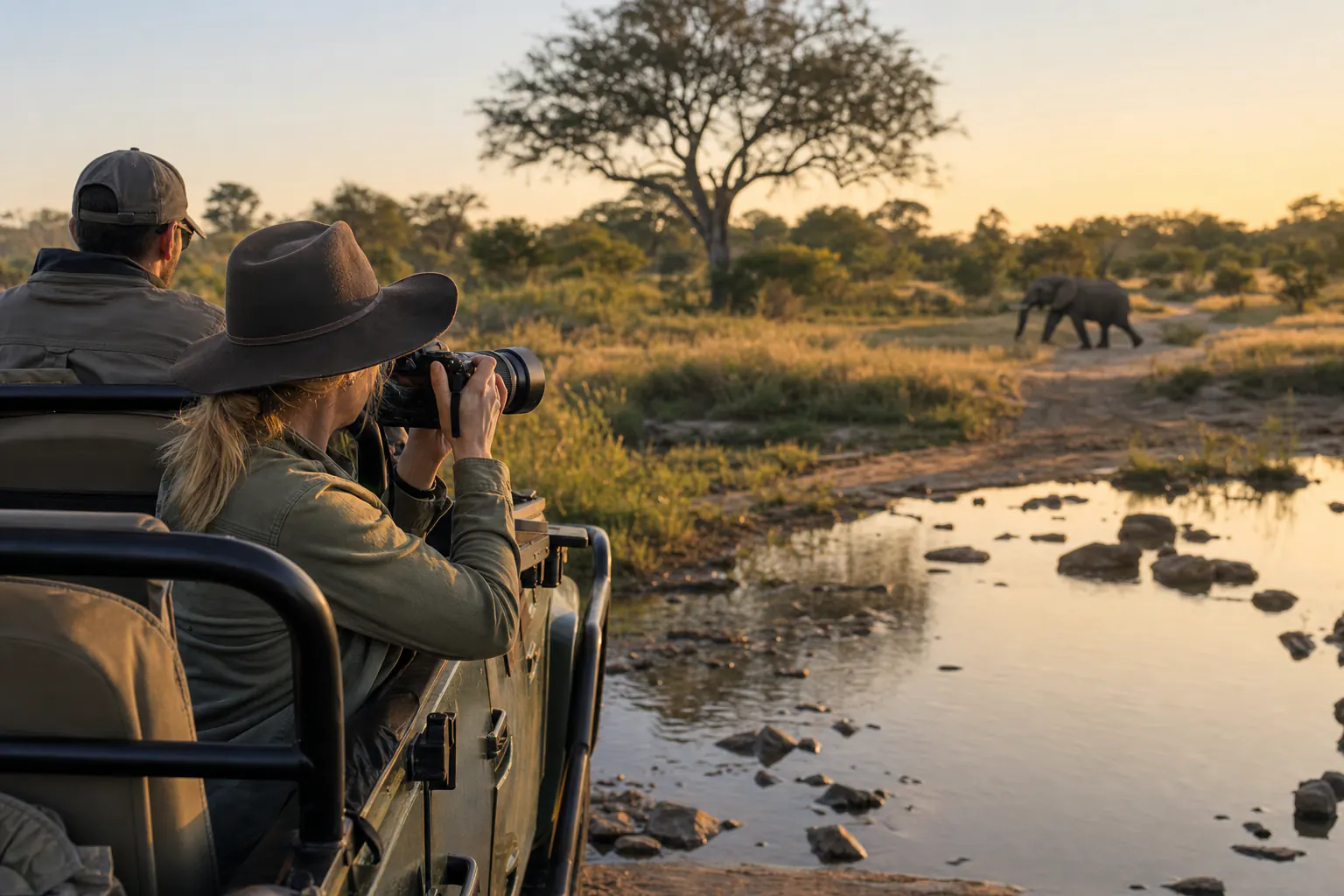
Madikwe, Pilanesberg, Addo and Eastern Cape reserves are common planning options when travellers compare routes outside recognised risk areas.
Ask how dates, pregnancy, age, medical history, medication interactions and exact itinerary affect advice.
Ask lodges about mosquito precautions, room setup, medical access, cancellation terms and child policies where relevant.
Movement
Shorter transfers are often better for families and health sensitive travellers.
Self drive routes should still consider fatigue, insurance and road comfort.
Do not rely on outdated malaria maps or old advice.
Where to stay
Ask lodges about child policies, room layouts, mosquito precautions and nearest medical support.
Public parks and private reserves have different support structures.
Do not assume every region or lodge policy is identical.
Booking order
Secure the safari nights, park accommodation or private lodge space, then build flights, transfers and city nights around that anchor.
Cape Town activities, casual meals, optional guided drives and rest time can often remain flexible until the core route is stable.
Malaria conscious routes may save or add cost depending on transfer style, lodge level and region.
Medical consultations, insurance and flexible booking terms should be part of the budget.
Do not call any itinerary malaria proof.
Do not diagnose symptoms or prescribe medication.
Alternatives
Use these links when the route feels rushed, medically unsuitable or mismatched with your travel style.
Official resources
Fees, gate hours, health guidance, notices and availability can change. Use these official resources for the latest operational information.
Next steps