Worked itinerary
Day-by-day plan
Use the sequence as a decision aid, not as a promise of sightings or a fixed package. Camp and reserve choices should follow the route, access and departure details you can actually secure.
Day 1 — Arrive and position for Kruger
Location: Johannesburg or Mbombela, then the southern Kruger area if arrival logistics allow. Travel logic: collect a vehicle or take a planned transfer in daylight; do not turn an overnight arrival into an ambitious cross-country drive. Safari focus: treat any late afternoon outing as a bonus, not the day's main wildlife session. Pacing: leave room for baggage, food and check-in. Overnight logic: sleep near the southern route you will actually use, with a nearby base if the arrival is late. Planning note: the first camp should be reachable without depending on a perfect flight or transfer connection.
Day 2 — Settle into southern Kruger
Location: one southern Kruger camp or nearby base. Travel logic: make this a loop day rather than another relocation. Safari focus: use the cooler early hours and a second drive later, allowing time for patient sightings rather than chasing a checklist. Pacing: keep the middle of the day for food, shade and recovery. Overnight logic: stay in the same base so the first full safari day is not consumed by packing. Planning note: check official gate rules, road conditions and the distance between your camp and planned exits.
Day 3 — Move south to central Kruger
Location: travel from the southern area toward a central Kruger base, such as the Satara area when that fits the confirmed route. Travel logic: the drive north is also a game-viewing day, but it is still a transfer with a destination and arrival time. Safari focus: scan deliberately from the route rather than adding a long detour that risks late arrival. Pacing: pack before departure and keep the day's target realistic. Overnight logic: spend the night in the central base so the next day can be a full loop. Planning note: use official travel-time and gate information as planning inputs, not as a guarantee of the actual drive.
Day 4 — Full central Kruger wildlife day
Location: central Kruger, with the Satara area as one possible base. Travel logic: no camp change. Safari focus: give the central habitat and roads a complete morning and afternoon rather than trying to cover the whole park. Pacing: protect a slower midday and avoid adding a second region to an already useful wildlife day. Overnight logic: keep the same camp for a second night. Planning note: this is the itinerary's strongest public-park day, so do not trade it for an unnecessary transfer.
Day 5 — Transfer to Greater Kruger
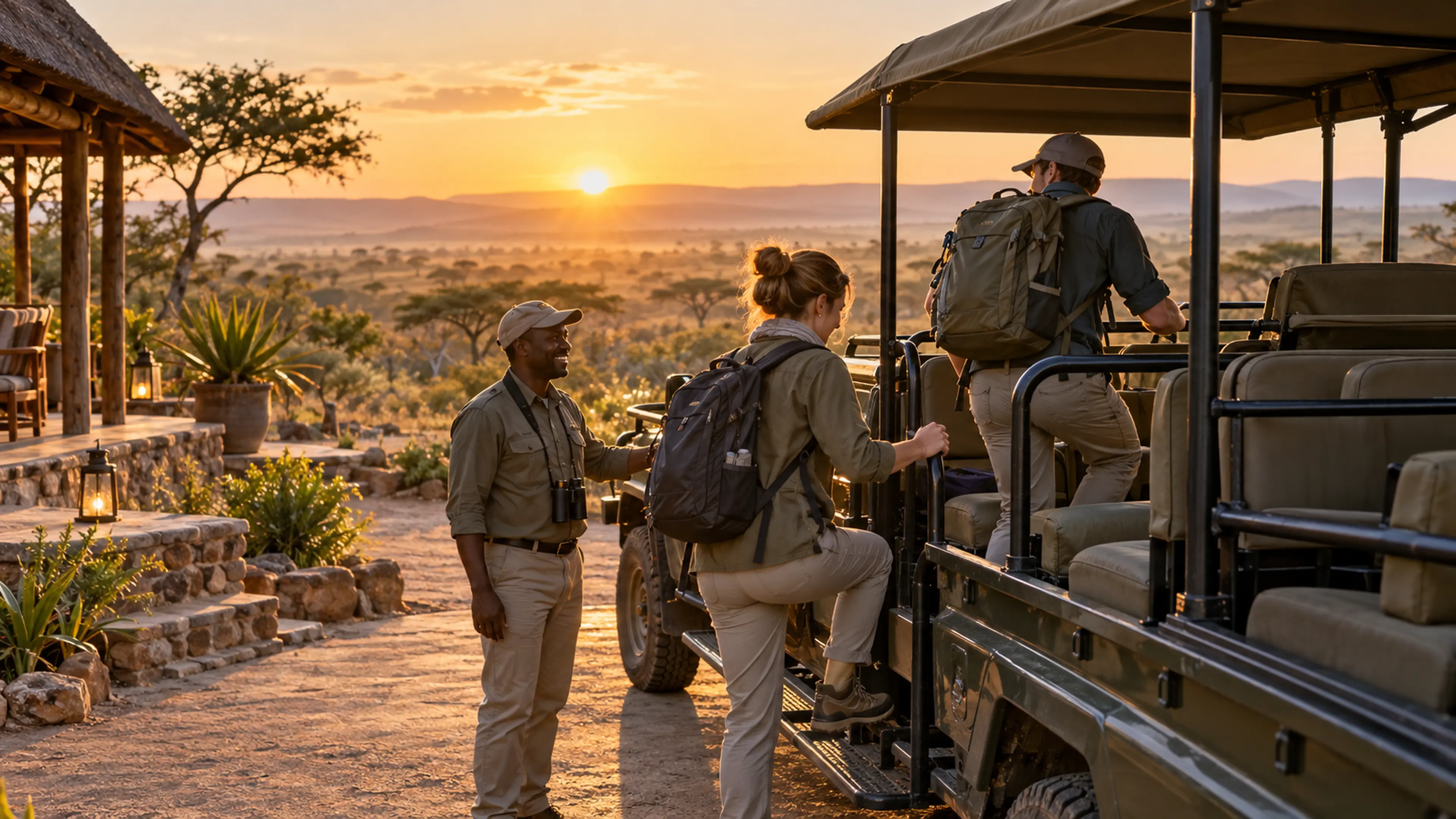
Location: central Kruger to a confirmed private reserve lodge in Greater Kruger. Travel logic: leave enough daylight for the road transfer, access arrangements and lodge check-in; the exact route depends on the reserve and entry point. Safari focus: the private reserve experience begins after arrival, but the transfer itself should not be sold as a full game-drive day. Pacing: keep the afternoon flexible and accept a quieter arrival if the road takes longer. Overnight logic: two nights at the reserve makes the change worthwhile. Planning note: compare the lodge's inclusions, transfer arrangements and access rules before treating the private-reserve finish as interchangeable with public-park camping.
Day 6 — Guided private-reserve safari
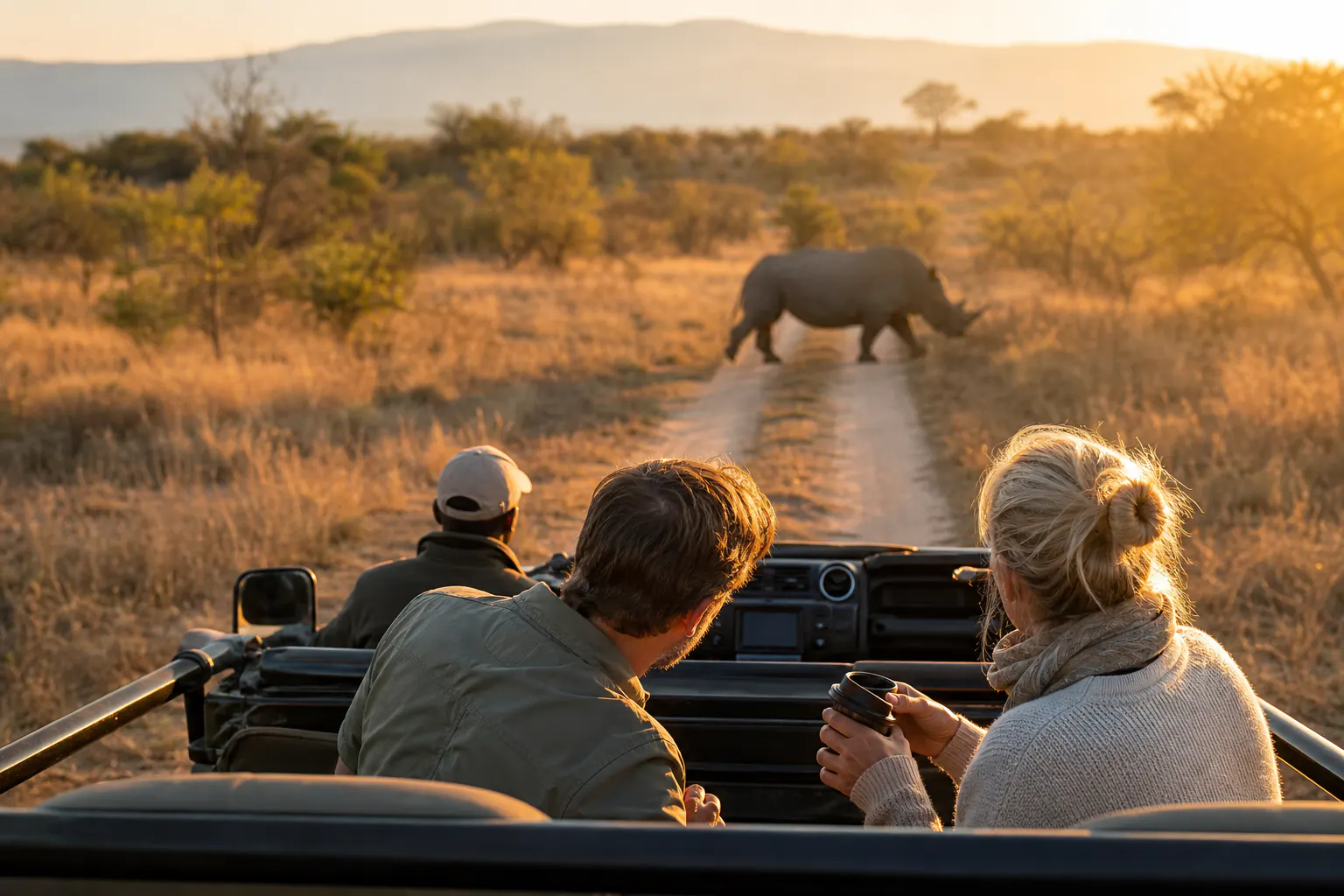
Location: the selected Greater Kruger reserve. Travel logic: stay put. Safari focus: use the lodge's scheduled guided activities and the reserve's permitted access model; sightings remain wild and unpredictable. Pacing: let the guide set a safe, ethical rhythm and use the midday break to recover. Overnight logic: a second lodge night protects the value of the transfer and allows both morning and later activity windows. Planning note: confirm which drives, meals, drinks, transfers and reserve charges are included in the written booking.
Day 7 — Final morning and departure
Location: private reserve to the relevant airport, road gateway or onward stay. Travel logic: take a final morning activity only if its finish time leaves comfortable margin for the departure plan. Safari focus: enjoy a short final drive or lodge morning without making a sighting responsible for an airport connection. Pacing: pack the night before and keep the final movement simple. Overnight logic: this is a departure day, unless the wider holiday deliberately adds a recovery night. Planning note: work backwards from the real departure time, baggage needs and transfer route rather than assuming the final morning is fully available.