
Rivers
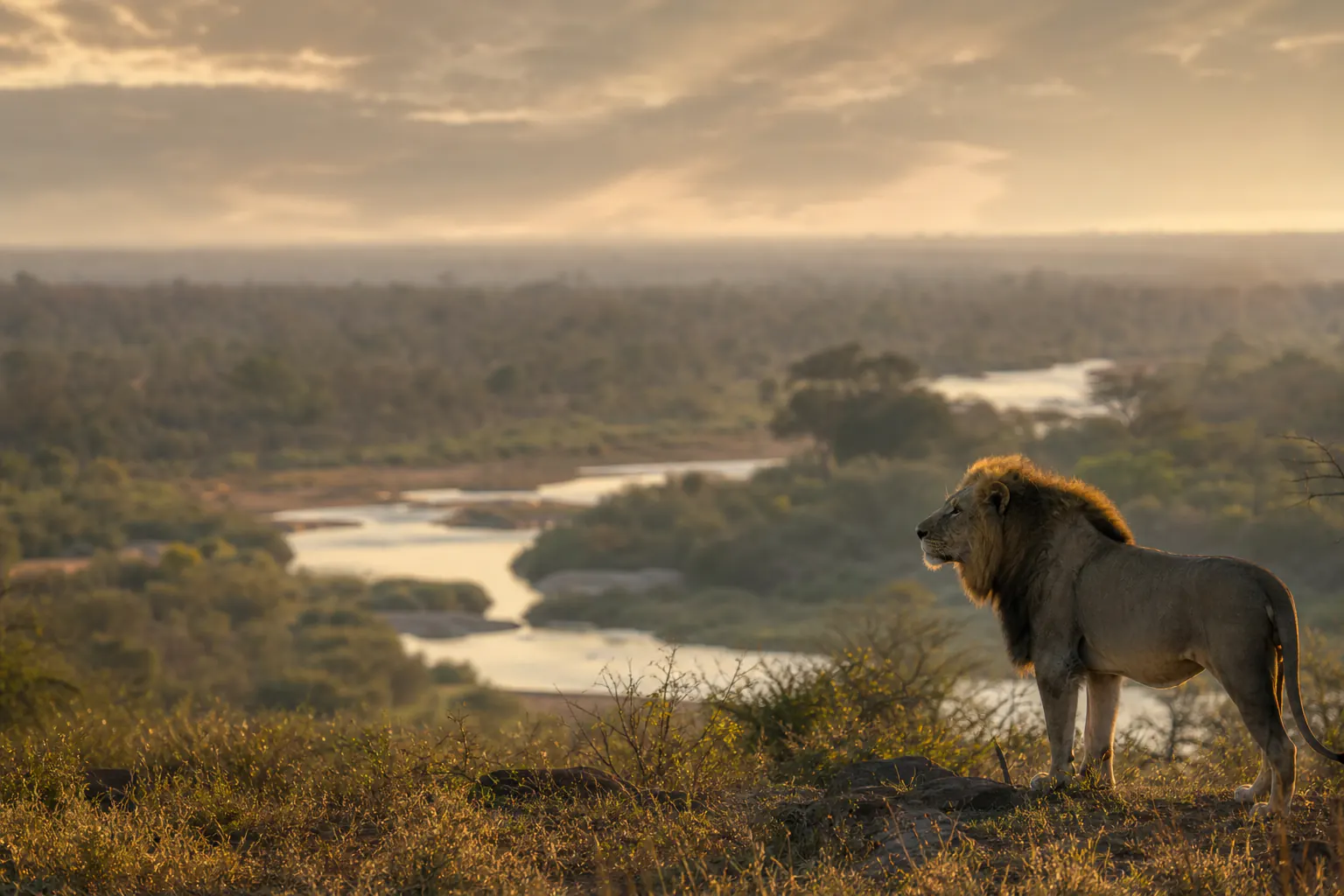
Rivers create shade, cover, water and crossing points. They are good places to slow down, listen and watch behaviour rather than simply scan for large animals.
Kruger wildlife
Kruger wildlife viewing is shaped by habitat, season, patience and luck. The park is famous for large mammals, predators and birds, but the richest safaris pay attention to tracks, calls, dung, water, weather and common species as well as headline sightings.
Ecosystems
Kruger is a mosaic of rivers, drainage lines, grassland, woodland, thickets, rocky areas and seasonal water sources. Wildlife moves through that mosaic according to food, water, breeding, pressure, heat and weather. A road that feels quiet at noon can be alive the next morning.
Rivers and waterholes attract attention, but they are not vending machines for sightings. Woodland can hide elephants and antelope until you learn to slow down. Open country can help you scan, but distance and heat shimmer can deceive impatient eyes.
Habitat rhythm
Rivers create shade, cover, water and crossing points. They are good places to slow down, listen and watch behaviour rather than simply scan for large animals.
Temporary pans and wet season growth can spread wildlife more widely. Dry periods may concentrate some activity but also attract more vehicles to obvious water.
Open areas can make grazing animals and distant predators easier to scan, though heat and distance can make identification harder.
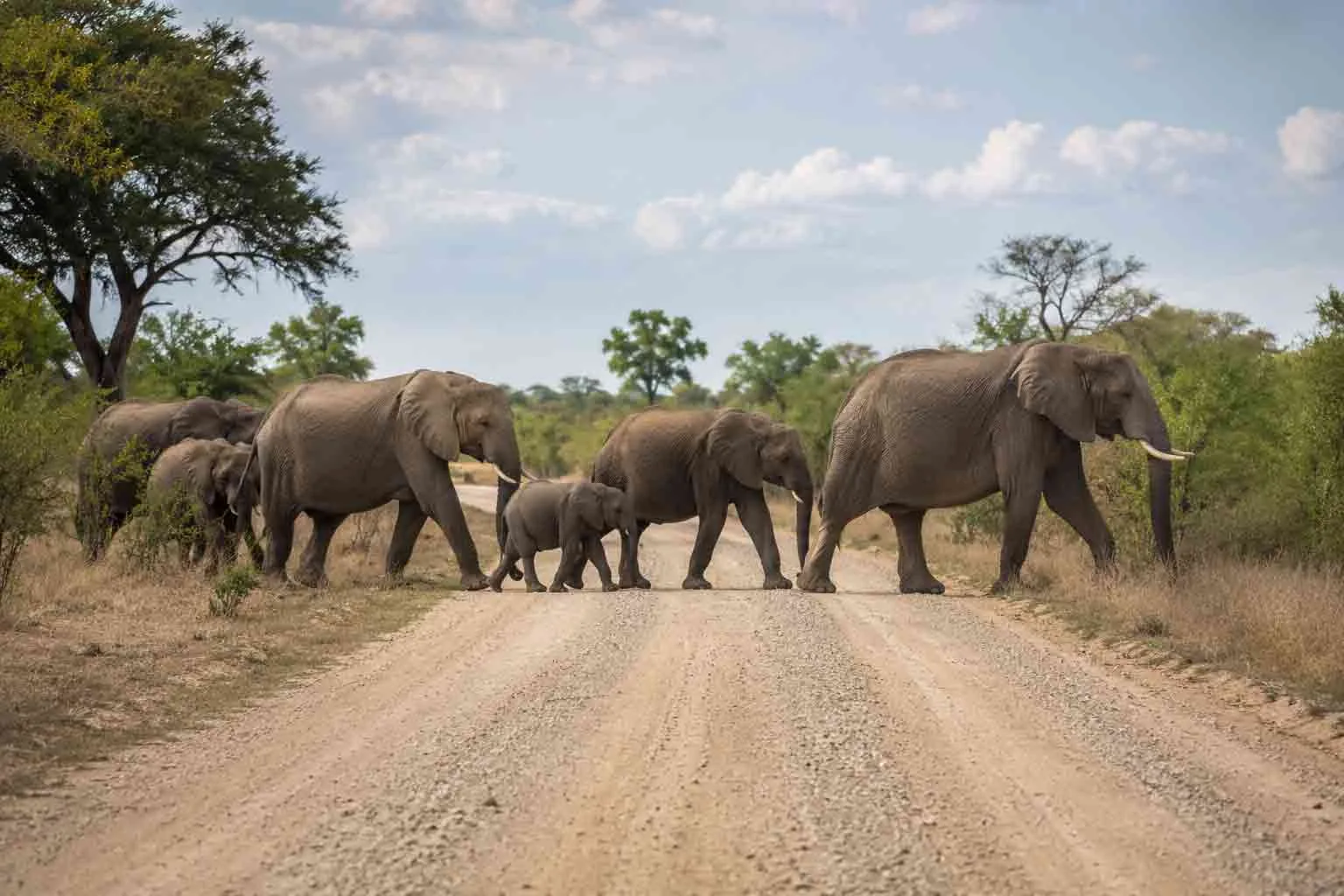
Woodland rewards slow driving. Elephants, antelope, raptors and smaller mammals can be close before you notice them.
Transitions between open and wooded areas often hold interest because animals use cover, shade and grazing differently through the day.
Camp boundaries, trees and quiet corners can be useful for birds, small mammals and learning calls without leaving safe areas.
Animals
Lion, leopard, cheetah, wild dog and hyena interest many visitors, but sightings are unpredictable and should never be promised.
Elephant, buffalo, giraffe, zebra, hippo and rhino related awareness shape how roads and water points feel. Do not share rhino locations.
Impala, kudu, waterbuck, steenbok and other antelope teach habitat, alarm calls and predator pressure.
Dwarf mongoose, squirrels, hares, genets and other smaller animals often create memorable sightings for patient visitors.
Kruger birding can be excellent, especially when visitors slow down at rivers, camps and woodland edges.
Crocodiles, lizards, tortoises and snakes are part of the ecosystem. Give all wildlife space.
Field craft
Fresh tracks can tell you who crossed before you arrived, even when the animal is gone.
Alarm calls from impala, birds or squirrels can change a quiet stop into a careful scan.
Dung, broken branches and stripped bark help you read recent elephant, buffalo and antelope activity.
Stripped bark, clipped grass, browsing lines and disturbed soil can reveal what has been active nearby.
A herd staring in one direction, birds mobbing or sudden silence can be more useful than a sighting report.
Watching common animals carefully makes rare sightings more meaningful because you understand the baseline.
Responsibility
At waterholes, stop where you do not block the road, keep quiet, leave space for animals to approach and avoid forcing a vehicle into the scene for the photograph. When an animal changes behaviour because of you, the sighting is already too intrusive.
Responsible photography means no baiting, no noise, no off road pressure, no door opening, no crowding and no live sensitive location sharing. The best wildlife viewing lets the animal remain the main character.
Seasonal viewing
Vegetation can be thinner and permanent water more important, but popular water points may also draw more vehicles. Stay patient and respectful.
The bush can be lush, roads may require more caution and birds, insects and newborn animals can add depth to the safari.
Animals and people both change behaviour in high temperatures. Early and late drives often feel more productive than forcing midday distance.
Do not dismiss common species. Their behaviour often explains what predators, weather and habitat are doing around you.
Official resources
Fees, gate hours, health guidance, notices and availability can change. Use these official resources for the latest operational information.
Next steps