
Shingwedzi
A northern camp with a calm route rhythm and strong appeal for longer stays.
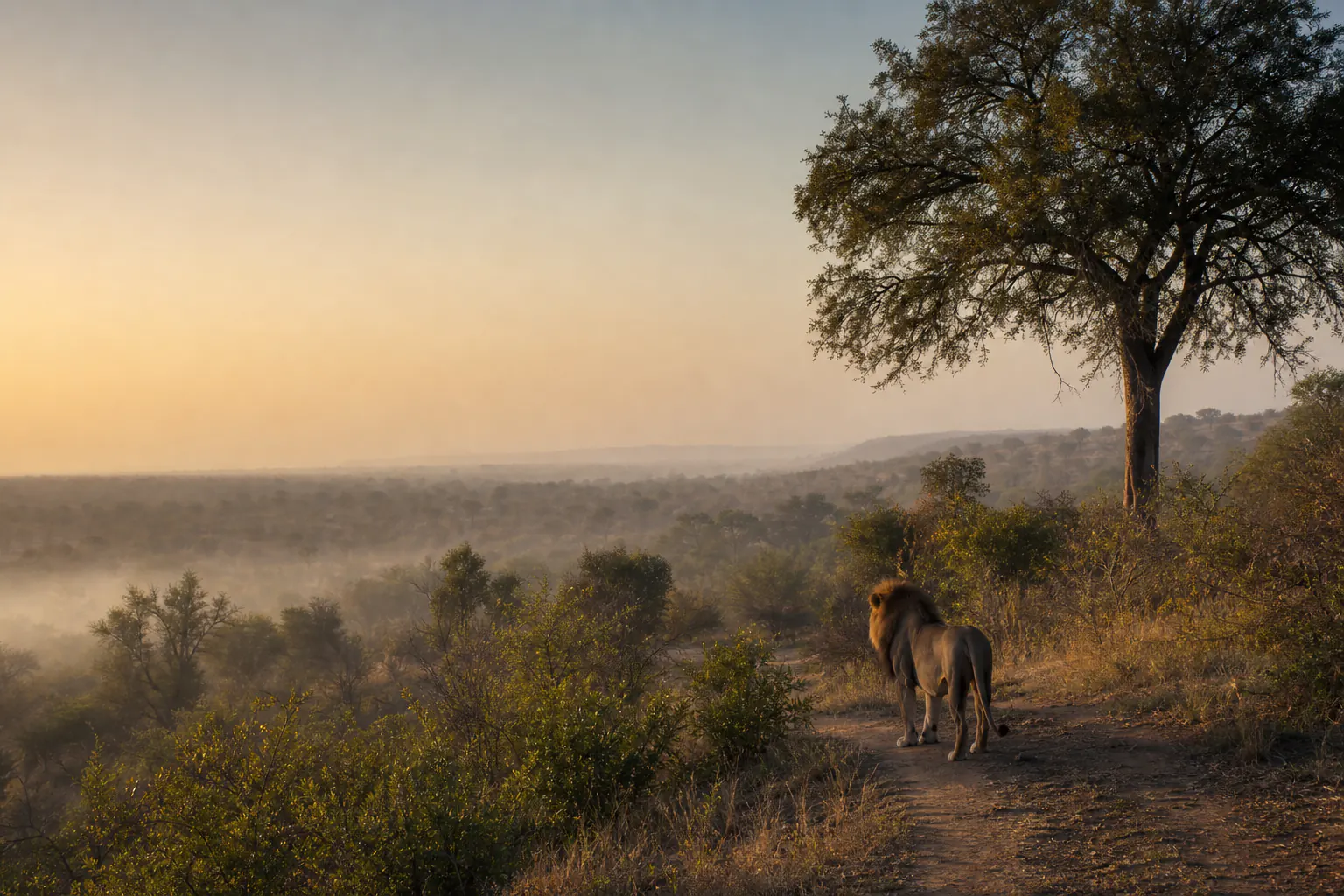
Northern Kruger
Northern Kruger offers a quieter, more remote feeling for visitors who give it enough days. It is not empty of wildlife and it is not automatically quiet at every moment, but its distances and atmosphere are different from the south.
Remote rhythm
The north is shaped by longer distances, river systems, woodland, baobab country in the far north and a stronger sense of space. Birders often value it highly, and repeat visitors may enjoy how different it feels from the south.
That does not mean the north is empty, guaranteed quiet or only for experts. It means the trip must be designed for slower movement, self sufficiency and realistic camp changes.
Access
Far northern base for travellers deliberately focusing on the north.
A northern camp with a calm route rhythm and strong appeal for longer stays.
A useful bridge between Letaba routes and deeper northern planning.
Far northern access that should be used with generous time and current official checks.
A northern gateway for trips already committed to the far north.
Often more realistic for central northern entry than for visitors trying to leap to the far north in one tired day.
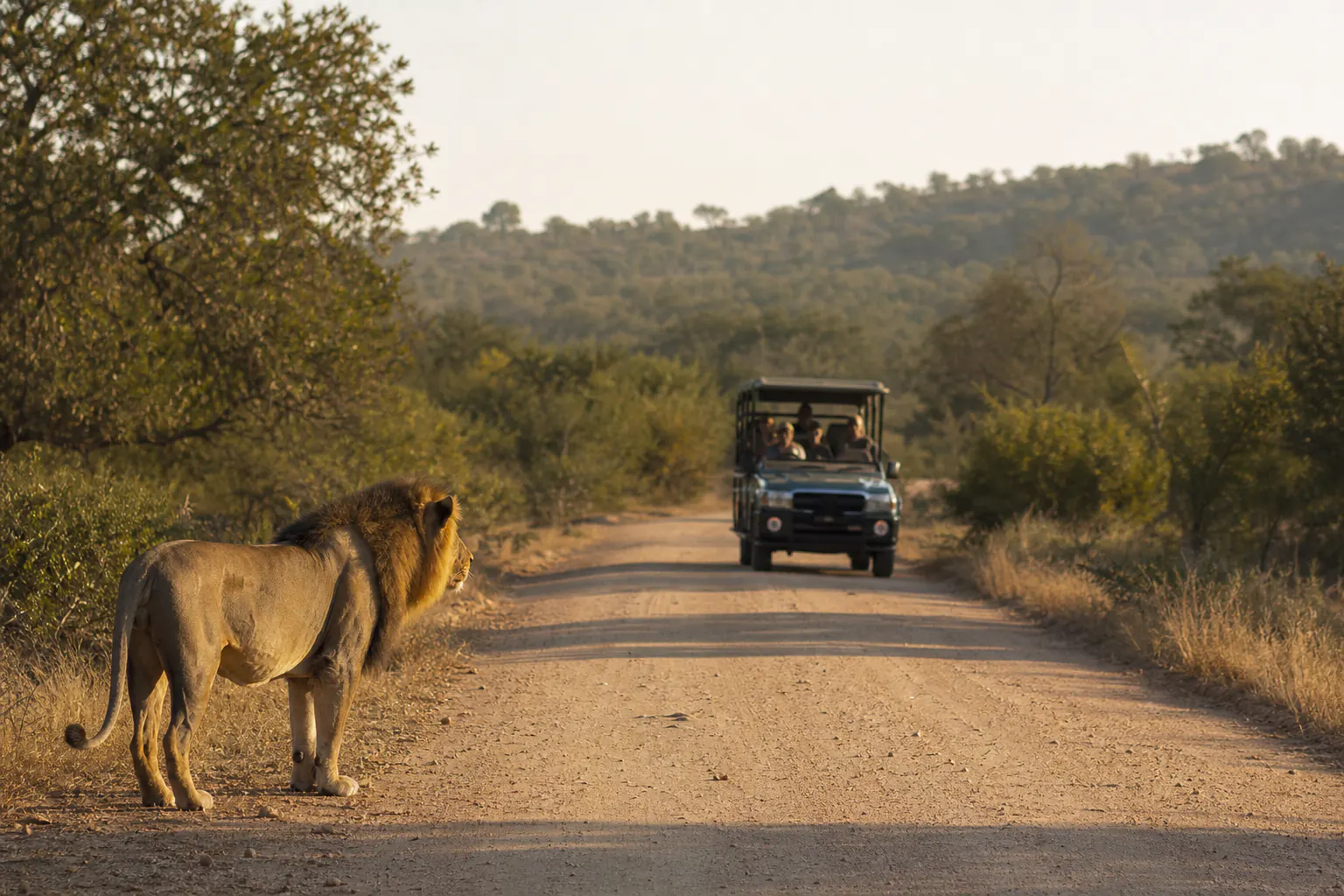
Self sufficiency
Do not wait until the tank is low. Services can be affected by temporary issues, so check notices and ask locally.
Northern routes reward visitors who carry proper day supplies and do not depend on every stop being perfectly timed.
The far north rarely makes sense as a rushed tick box. Give it several nights or save it for another trip.
Heat, rain, road conditions and daylight all affect how the north feels. Keep flexible time in the plan.
Fit
The north suits travellers who value quiet roads, birding, landscape variation, slow mornings, fewer camp changes and the satisfaction of not needing constant big sightings. It may not suit a family with very young children on a first three night safari, or visitors who want the most convenient arrival logistics.
If combining central and far northern Kruger, keep the middle of the trip deliberately light. A full week can work, but only if camp change days are treated as safari days with modest expectations rather than transport chores.
Daily rhythm
The reward is often atmosphere, birds, trees, river crossings and the slow reveal of wildlife. Visitors who need constant action may misread quiet as failure.
Look at fuel, water, food and camp arrival time before the morning drive. In remote sections, small planning errors feel larger.
Northern camps can be part of the wildlife experience. Birds, shade, evening sounds and slow observation matter as much as mileage.
If you are moving between northern bases, leave enough cool daylight for slow roads and unexpected stops. Do not design the day around perfect speed.
Official resources
Fees, gate hours, health guidance, notices and availability can change. Use these official resources for the latest operational information.
Next steps