
Good fit
Confident drivers who will plan gates, fuel, breaks and daylight arrivals.
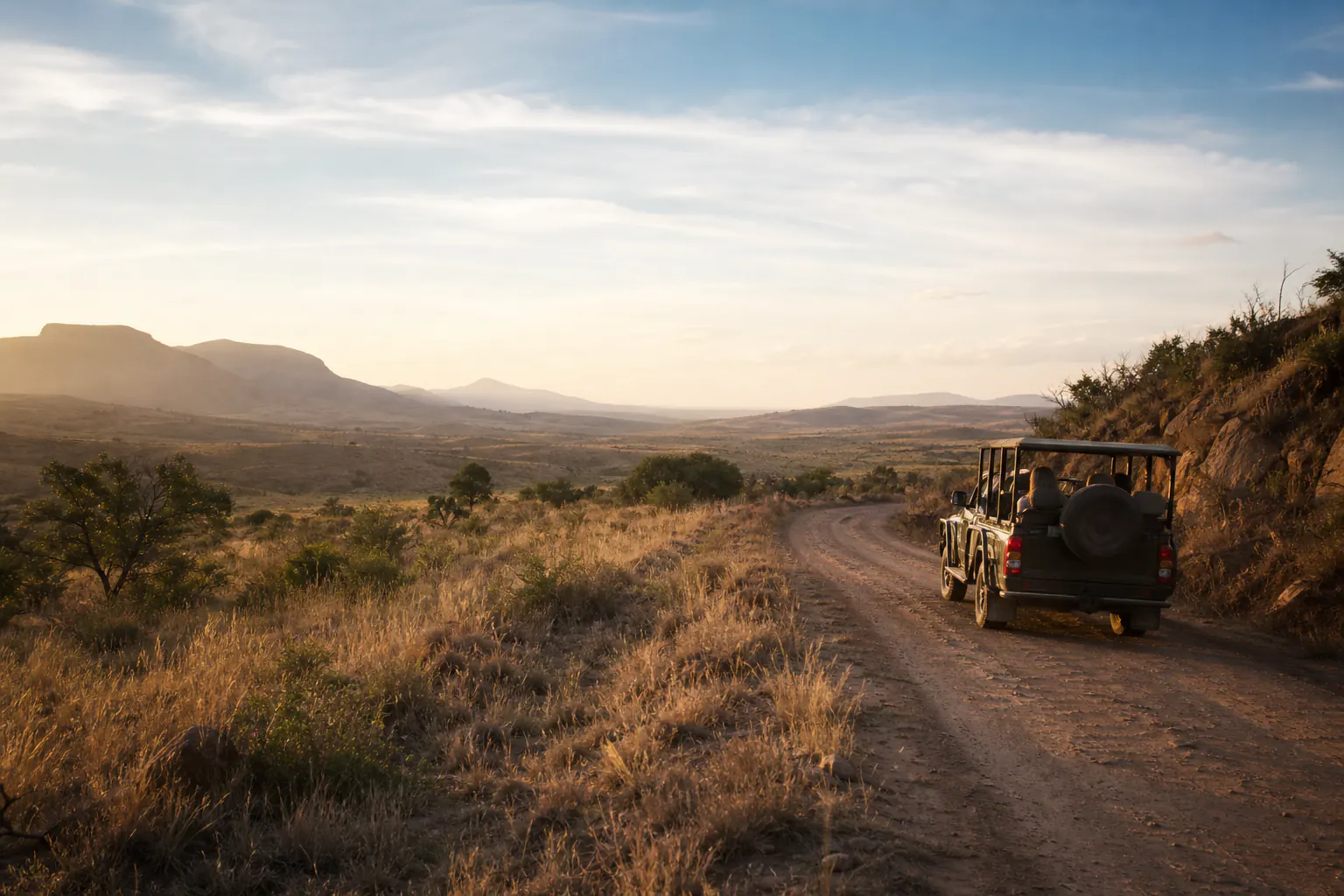
Safari itinerary
Self drive suits travellers who enjoy independence, careful pacing and route responsibility. It works especially well in public parks and road trip regions, but it does not replace private reserve guiding where access rules differ.
Direct recommendation
Self drive suits travellers who enjoy independence, careful pacing and route responsibility. It works especially well in public parks and road trip regions, but it does not replace private reserve guiding where access rules differ.
Use this page as an editorial planning framework. It does not show live prices, current availability, exact flight schedules or confirmed lodge inclusions because those details change and must be verified with the relevant operator or official authority.
A good South Africa itinerary protects safari time from travel fatigue. That usually means fewer hotel changes, clear arrival assumptions and a realistic decision about whether the safari is self drive, guided or lodge led.
Fit
Confident drivers who will plan gates, fuel, breaks and daylight arrivals.
Visitors combining Kruger, Pilanesberg, Addo or the Garden Route with flexible pacing.
You are nervous about driving on the left or managing tired arrival days.
You assume ordinary rental cars can enter every private reserve.
Trip shape
The sequence below is a planning structure, not a packaged tour.
Johannesburg to Kruger or Pilanesberg, Gqeberha to Addo, Cape Town to Garden Route and Addo.
Build the route around daylight arrivals and realistic daily distances.
Three day self drive trips should stay in one region.
Five and seven day routes can add one base change if it improves access rather than novelty.
Road planning
Self drive planning is about daylight, gates, fuel, navigation and driver energy.
Choose a vehicle for comfort, luggage, visibility and rental terms. Do not assume every road or reserve needs the same vehicle.
Gate hours, camp location, fuel and legal speed limits shape the whole day.
Offline maps, printed confirmations and conservative fuel planning are useful because mobile signal can be inconsistent.
Stay in permitted areas, avoid night driving outside authorised activities and never use wildlife encounters as a reason to block roads.
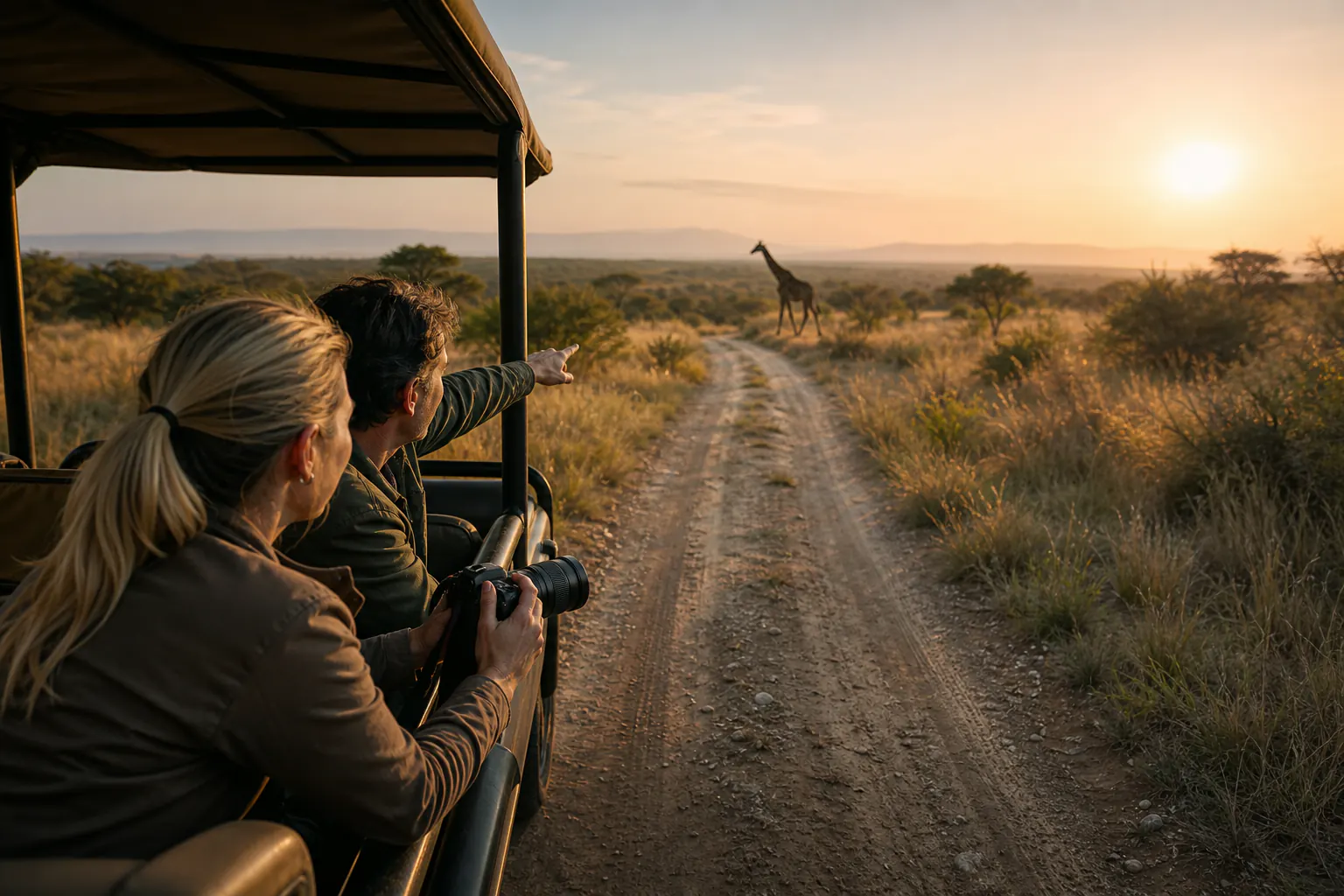
Movement
Check licence requirements through official sources and rental terms.
Plan fuel, tolls, offline maps, mobile signal limits and breakdown contacts.
Ordinary rental vehicles suit many public roads, but not every reserve or track.
Where to stay
Choose camps and bases by route logic and gate timing.
Public park rest camps reward early booking.
One way rentals can help but must be checked for fees and insurance.
Booking order
Secure the safari nights, park accommodation or private lodge space, then build flights, transfers and city nights around that anchor.
Cape Town activities, casual meals, optional guided drives and rest time can often remain flexible until the core route is stable.
Car rental, insurance excess, fuel, tolls, parking, conservation fees and food all matter.
Connectivity and offline navigation can be worth budgeting for.
No night driving inside parks outside authorised activities.
Do not stop unsafely or block animals for photos.
Alternatives
Use these links when the route feels rushed, medically unsuitable or mismatched with your travel style.
Official resources
Fees, gate hours, health guidance, notices and availability can change. Use these official resources for the latest operational information.
Next steps