
Olifants
A scenic central northern base that can connect Satara style planning with Letaba or northern routes.
Central Kruger
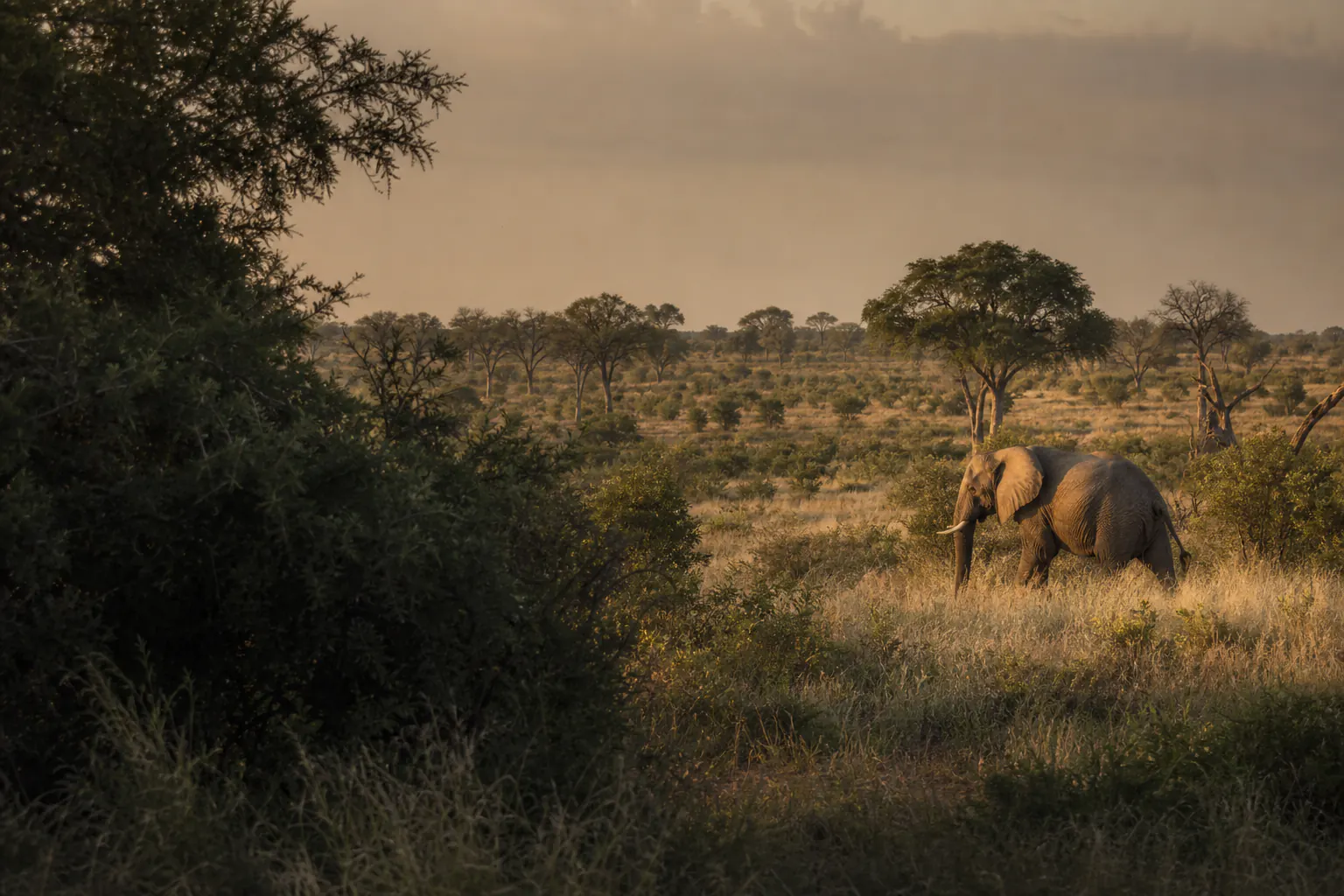
Central Kruger helps a trip breathe beyond the busy south. Its open country, woodland edges and long north south logic can be rewarding, but it punishes itineraries that try to race between camps.
Character
Central Kruger is often associated with more open grassland and mixed woodland context than the far south, though the landscape changes constantly as roads cross rivers, drainage lines and plains. This habitat mix can make the area appealing for predator focused travellers, but no predator or Big Five sighting should ever be promised.
The central section is also where distance starts to feel more serious. A route that looks elegant on a map can become tiring once heat, sightings, camp changes and slower roads are added.
Bases
A classic central base for open country routes and repeat morning loops.
Useful western access and a smaller base for central entry or exit plans.
A scenic central northern base that can connect Satara style planning with Letaba or northern routes.
A calmer base for travellers slowing down before or after the deeper north.
A logical access point for Letaba, Mopani and central northern routing.
Central Kruger pairs well with Skukuza or Lower Sabie when the move is planned conservatively.
Itinerary fit
A strong five to seven day structure when you want two distinct areas without reaching too far north.
Use one central base for three nights if wildlife time matters more than changing scenery.
Better for a full week or repeat visitors who accept longer transfers and quieter evenings.
Mix a SANParks activity with independent loops to add interpretation without losing flexibility.
Comfort
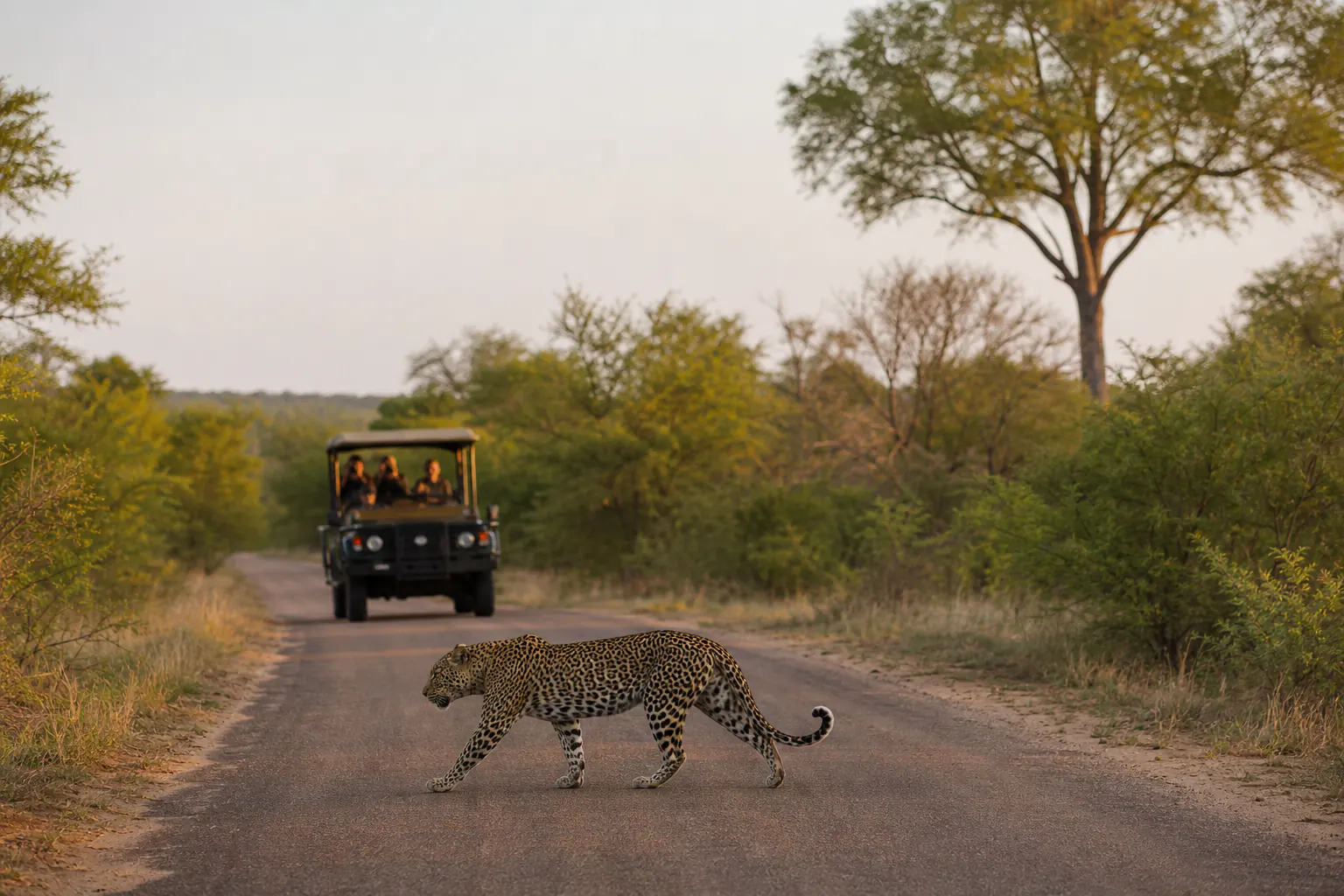
Central routes can feel exposed in hot months. Plan early starts, long midday rests, shade, water and realistic afternoon loops. Photography and wildlife watching often improve when you stop trying to cover too much ground.
Avoid camp changes that turn the day into transport. The most satisfying central Kruger trips usually repeat roads patiently and let sightings build over time.
Avoid this
Central bases work best when you stay long enough for more than one morning and afternoon route. One rushed night can feel more like transport than safari.
A central move from the south can be a beautiful wildlife day, but only if you leave early, keep lunch simple and resist adding a second long loop after arrival.
Open country may raise predator interest, but lions, cheetah and leopard remain wild animals. Sell the landscape and patience, not a sighting guarantee.
A central stay still needs an exit strategy. Choose the final gate and overnight plan before committing to the last camp.
Compare regions
Central Kruger is often most useful as a route decision. It can be the whole point of a trip, but it also works as the hinge between easier southern access and the quieter north.
Central Kruger usually asks for more internal travel but can feel broader and less tied to first arrival logistics.
Central bases are easier to combine with a first trip than the far north, while still giving a step away from the busiest southern routes.
Central Kruger works especially well when it bridges a convenient start and a quieter second half.
Official resources
Fees, gate hours, health guidance, notices and availability can change. Use these official resources for the latest operational information.
Next steps